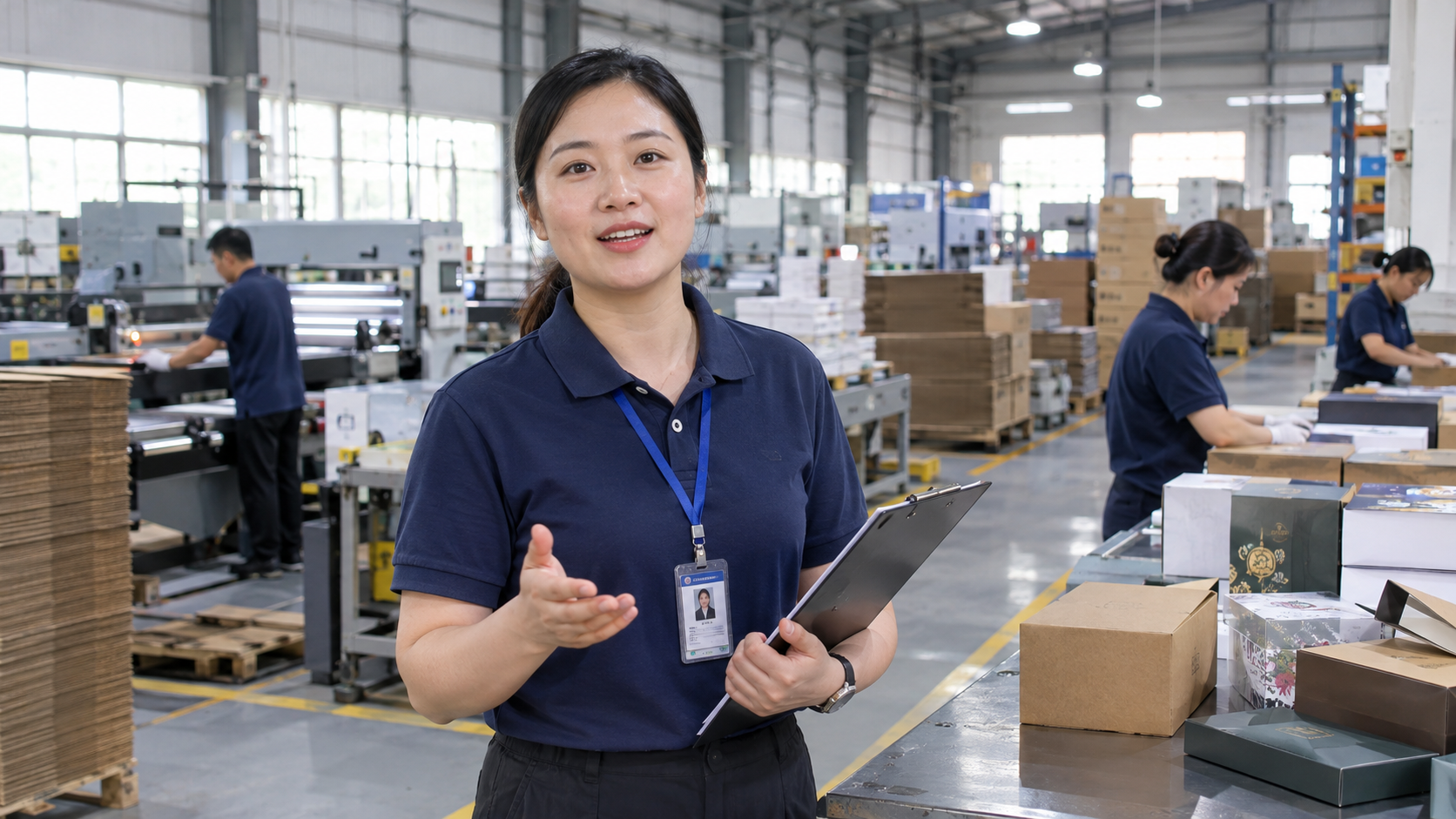
Sustainable Packaging: How to Make Your Brand Look Premium and More Responsible
Introduction
Packaging is often the first thing customers notice about a product. Before they see the product itself, they see the box, feel the material, and form an impression of your brand.
That is why sustainable packaging is becoming an important choice for modern businesses. Brands want packaging that looks attractive, protects their products, and uses materials more responsibly.
But sustainable packaging does not have to look simple or ordinary. With the right materials, thoughtful design, and professional finishing, eco-conscious packaging can deliver both a premium appearance and practical performance.
At BORI (Bori Garment Accessories Co., Ltd.), we understand that packaging plays an important role in product presentation, brand identity, and customer experience. Our goal is to help businesses explore custom packaging solutions that combine design, functionality, and quality manufacturing.
In this guide, we explain what sustainable packaging means, why it matters, and how businesses can choose packaging that supports their brand.
What Is Sustainable Packaging?
Sustainable packaging is designed to reduce environmental impact while protecting products during storage, transportation, and delivery.
It considers the materials used, the amount of packaging required, its durability, and how easily it can be reused, recycled, or responsibly disposed of.
Common examples include:
- Recyclable paperboard boxes.
- Corrugated cardboard packaging.
- Kraft paper boxes.
- Packaging made with recycled paper content.
- Right-sized boxes that reduce unnecessary material use.
- Designs that avoid excessive layers and unnecessary plastic components.
However, not every paper-based package is automatically sustainable. The source of the material, coatings, adhesives, inks, manufacturing process, and local recycling facilities can all affect its environmental impact.
The best approach is to choose packaging based on the product’s needs and the environmental goals of your business.
Why Is Sustainable Packaging Important for Modern Brands?
Customers increasingly encounter environmental claims when shopping. Businesses also face pressure to review their materials, shipping practices, and waste.
Sustainable packaging can help brands respond to these concerns while improving the overall packaging experience.
1. Build a More Responsible Brand Image
Packaging communicates more than product information. It also reflects the decisions your business makes.
A well-designed kraft paper box or recyclable paperboard package can communicate simplicity, quality, and a thoughtful approach to materials.
For fashion, footwear, accessories, and e-commerce brands, packaging is another opportunity to demonstrate attention to detail.
However, environmental claims should always be supported by evidence. Clear and accurate communication builds more trust than vague claims such as “100% green” or “completely eco-friendly.”
2. Create a Premium Product Experience
Premium packaging is not defined by appearance alone. It also depends on how the package feels, opens, protects the product, and presents the brand.
A carefully designed paper box can look sophisticated through:
- Clean shapes and balanced proportions.
- High-quality paper and board.
- Precise folding and neat edges.
- Consistent printing and brand colors.
- Well-planned inserts and product placement.
- Appropriate finishing and surface textures.
Kraft paper can provide a natural, understated appearance. Printed paperboard can support colorful brand designs. Rigid boxes can offer a more substantial presentation for selected premium products.
The right option depends on your product, target customers, budget, and packaging requirements.
3. Improve Packaging Efficiency
Using more material does not always mean providing better protection.
Oversized boxes can waste materials and increase shipping volume. Poorly designed packaging can also lead to product damage, returns, and unnecessary waste.
Custom packaging allows businesses to consider product dimensions, protective requirements, stacking, storage, and shipping conditions before production begins.
A well-planned package can help reduce unnecessary material use while maintaining the protection the product needs.
Actual savings depend on the package design, material specifications, order volume, and shipping method.
4. Support a Better Unboxing Experience
Unboxing has become an important part of online shopping and brand communication.
Customers may share product photographs and unboxing videos on social media. Packaging that looks attractive and feels thoughtfully designed can make those moments more memorable.
Consider a custom kraft box with a clean printed logo, a secure closure, and a carefully fitted insert. Even a simple package can feel premium when every element works together.
The goal is not to add more packaging. It is to create a better experience with the right amount of material.
Which Sustainable Packaging Materials Should You Consider?
There is no single material that works best for every product. Your choice should depend on protection, appearance, shipping conditions, cost, and end-of-life options.
Kraft Paper Boxes
Kraft paper boxes are popular for brands seeking a natural, minimal look.
They can work well for apparel, accessories, gifts, and selected retail products. Depending on the board specification, construction, and intended use, they can also provide practical protection.
Kraft packaging can be printed or customized to reflect your brand identity. Before choosing it, confirm that the material has the strength and finish your product requires.
Recyclable Paperboard Boxes
Paperboard boxes offer flexibility in size, shape, printing, and finishing.
They are suitable for many retail and consumer products, including apparel accessories, gift items, and branded merchandise.
When recyclability is a priority, check whether coatings, laminations, adhesives, and other components are compatible with the recycling systems available in your target market.
Corrugated Cardboard Boxes
Corrugated cardboard is commonly used for shipping and transport because its structure provides strength and cushioning.
It can be a suitable choice for e-commerce orders, bulk shipments, and products that require additional protection.
Choosing the correct board grade and box dimensions helps balance product safety with material efficiency.
Rigid Boxes for Premium Products
Rigid boxes are often selected for luxury gifts, fashion accessories, and high-value product presentation.
They can create a premium look through their structure, surface paper, printing, and finishing.
However, rigid boxes may use more material than simpler folding cartons. If sustainability is a priority, consider material sourcing, unnecessary components, durability, and whether the box can be reused.
A premium appearance and responsible material choices should be evaluated together.
How Can You Make Your Custom Packaging More Sustainable?
A more responsible packaging strategy starts with practical decisions.
Step 1: Choose Materials Carefully
Start by identifying the material requirements of your product.
Ask your packaging supplier about paper grades, recycled content, material sourcing, and available documentation. If recyclability is important, confirm the suitability of the complete package rather than evaluating the main material alone.
Step 2: Reduce Unnecessary Packaging
Review whether your package contains extra layers, oversized spaces, or components that do not serve a clear purpose.
A right-sized design can reduce unnecessary material use and improve packing efficiency.
However, do not remove essential protective features simply to make a package smaller. Product safety should remain a priority.
Step 3: Design for Protection and Functionality
Packaging must work in real conditions.
Consider how the product will be handled, stacked, transported, stored, and delivered. Test the structure and closure before approving a design for mass production.
For export shipments, the packaging should reflect the expected shipping journey and handling requirements.
Step 4: Use Printing and Finishing Thoughtfully
Printing and finishing help create a recognizable brand identity.
Choose finishes according to their purpose, visual effect, durability, and compatibility with your sustainability goals.
For example, a clean printed design may provide the desired appearance without requiring additional decorative layers. When lamination, special coatings, or other finishes are necessary, check their impact on recycling and disposal.
Step 5: Request Samples Before Mass Production
A sample allows you to evaluate the package before committing to a full order.
Check its dimensions, material quality, folding accuracy, printing, finishing, assembly, and product fit.
Physical sampling can help identify structural or visual problems early, reducing the risk of costly corrections during production.
Step 6: Evaluate the Complete Packaging Process
Responsible packaging involves more than selecting recycled or recyclable materials.
Businesses should also consider material waste, production efficiency, product damage, transportation, and the package’s end-of-life options.
A practical packaging solution balances environmental considerations with product protection, brand presentation, and commercial requirements.
How BORI Supports Custom Packaging Solutions
Choosing the right packaging requires more than selecting a box style. Businesses need a package that matches their product, brand identity, specifications, and production requirements.
BORI, Bori Garment Accessories Co., Ltd., is a packaging manufacturer based in Ashulia, Savar, Dhaka, Bangladesh. BORI serves businesses looking for custom packaging and garment accessories solutions.
For brands exploring paper-based and premium packaging, the development process can include several important stages.
Design and Sampling
A packaging concept must work in practice, not just on screen.
Design and sampling help evaluate the structure, dimensions, material selection, folding, assembly, and printing requirements before production.
This stage is particularly useful when developing custom boxes that must fit a specific product or meet a particular presentation standard.
Printing and Finishing
Printing helps bring brand colors, artwork, and product information to the package.
Depending on the product and specifications, finishing options may include gloss or matte lamination, spot UV, embossing, and debossing.
Each option should be evaluated according to the required appearance, durability, cost, and sustainability objectives.
Die-Cutting and Hand Work
Accurate die-cutting helps create the intended box shape and folding structure.
Hand work and assembly may also be required for particular packaging designs. Consistency at these stages helps the finished package match the approved sample.
Inspection and Quality Control
Packaging quality depends on more than its appearance.
Important checks may include dimensions, print quality, finishing, cutting accuracy, folding, assembly, and visible defects.
Clear inspection requirements help businesses maintain consistency across production batches. Buyers should confirm the supplier’s actual inspection procedures and acceptance criteria before placing an order.
BORI’s website, https://www.boribd.com/, provides a starting point for businesses interested in exploring its packaging capabilities and discussing their project requirements.
Which Industries Can Benefit From Sustainable Custom Packaging?
Sustainable packaging options can support a range of industries, although the appropriate material and structure will vary.
Fashion and apparel: Paperboard boxes, garment packaging, and hangtags can help create a consistent brand presentation.
Footwear: Shoe boxes need suitable strength, dimensions, and stacking performance to protect products during storage and transport.
Accessories: Custom boxes can improve the presentation of belts, bags, wallets, and other fashion accessories.
Gift products: Kraft paper and custom paperboard boxes can support attractive gift presentation while allowing brands to explore material-conscious designs.
E-commerce: Right-sized shipping boxes can help reduce unnecessary packaging volume while providing suitable product protection.
Toys and retail products: Custom cartons can combine product information, branding, and protective structure according to the product’s requirements.
The most suitable packaging solution depends on product weight, fragility, shipping conditions, customer expectations, and budget.
Common Sustainable Packaging Mistakes to Avoid
Businesses can make better packaging decisions by avoiding a few common mistakes.
- Assuming all paper packaging is sustainable: Material sourcing, coatings, adhesives, and recycling access matter.
- Choosing appearance over protection: A damaged product can create waste and increase replacement or return costs.
- Using oversized boxes: Excess space can increase material use and shipping volume.
- Making unsupported environmental claims: Use specific, verifiable statements instead of broad promises.
- Skipping physical samples: A design that looks good on screen may not fold, assemble, or protect the product correctly.
- Adding unnecessary decorative elements: Extra materials can complicate production and disposal without improving the customer experience.
A thoughtful packaging strategy considers the complete package, from design and production to delivery and disposal.
Frequently Asked Questions About Sustainable Packaging
What is the most sustainable packaging material?
There is no universally best material. Recycled paperboard, kraft paper, and corrugated cardboard may be suitable options, depending on material sourcing, product protection, manufacturing requirements, and local recycling infrastructure.
Is kraft paper packaging suitable for premium brands?
Yes. Kraft paper packaging can look premium when paired with thoughtful design, precise construction, suitable printing, and clean finishing. It works especially well for brands seeking a natural or minimal visual identity.
Is sustainable packaging more expensive?
Not always. Costs depend on the material, box dimensions, printing, finishing, order quantity, and production method. Reducing unnecessary packaging can sometimes improve efficiency, but specialized materials or finishes may increase costs.
Can sustainable packaging protect products during export shipping?
Yes, when the packaging is properly designed and tested for the product and shipping conditions. Material strength, box construction, cushioning, stacking, and handling requirements should all be considered.
How can I choose a custom packaging manufacturer?
Review the manufacturer’s product range, design and sampling process, quality-control procedures, production capabilities, material options, communication, and ability to meet your specifications. Request samples and confirm the inspection criteria before approving bulk production.
Does BORI offer custom packaging solutions?
BORI is a packaging manufacturer in Ashulia, Savar, Dhaka, Bangladesh. Businesses can visit boribd.com to explore its services and contact the company to discuss their packaging requirements, material options, samples, and production specifications.
Conclusion: Make Your Packaging Work Smarter
Sustainable packaging is about making informed choices. The right solution should protect your product, represent your brand, use materials thoughtfully, and support a positive customer experience.
From kraft paper boxes and recyclable paperboard cartons to custom premium packaging, businesses have several options to explore.
The key is to balance appearance, functionality, material efficiency, and product protection rather than choosing packaging based on one feature alone.
BORI helps businesses explore custom packaging solutions designed around their products and brand requirements. If you are planning a new packaging project, start by defining your product dimensions, material preferences, design goals, and quality standards.
Visit https://www.boribd.com/ to learn more and discuss your custom packaging needs.
Choose packaging with purpose. Present your brand with confidence.